AI in 2026: What's Actually Changing the World Right Now
From models updating every two weeks to AI spending hitting $2.5 trillion — here's everything trending in the world of artificial intelligence this March.

Photo: Unsplash / AI & Future Tech
A year ago, AI was a cool demo. Today it's the backbone of how companies operate. Worldwide AI spending is on track to hit $2.52 trillion in 2026 — a 44% jump from 2025. If you're not paying attention, you're already behind.
Trend 01The AI Arms Race is Moving at Full Speed
Major AI labs are no longer doing yearly updates — they're pushing new models and major improvements every two to three weeks. Google's Gemini 3.1 Pro now tops 13 out of 16 major performance benchmarks. Anthropic's Claude 4.6 series introduced "effort controls," letting developers fine-tune the balance between speed, intelligence, and cost.
OpenAI has surpassed $25 billion in annualized revenue and is taking early steps toward going public. The pace isn't slowing — it's compressing.

Photo: Unsplash / AI Hardware
Trend 02Agentic AI: From Hype to Actual Work
AI agents — systems that can plan and take multi-step actions on their own — are everywhere in 2026. But they're also running into reality. Researchers from Anthropic and Carnegie Mellon found agents still make too many mistakes for high-stakes tasks. The shift is from demos to governance.
"In 2026, the competition won't be on AI models — it'll be on the systems you build around them."
Smart companies are now asking: where can AI act as a co-pilot, not a replacement? Microsoft, for example, is embedding AI agents directly into enterprise workflows for onboarding, document generation, and customer support.
Trend 03AI Regulation is Entering Enforcement Mode

Photo: Unsplash / Law & Policy
The EU AI Act's high-risk obligations begin applying in August 2026. On March 12, Washington state passed two major AI bills covering disclosure and chatbot safety. The UK has called generative AI a "clear and present danger" to creative industries due to uncredited use of copyrighted content for training.
The message is clear: build now, but build responsibly.
Trend 04AI at the Edge: On Your Phone, Not the Cloud
More AI is processing happening directly on devices — from smartphones to factory sensors. Apple's redesigned Siri, powered by Google's Gemini model running on-device via Private Cloud Compute, is a flagship example. This "edge AI" reduces latency, improves privacy, and enables instant decision-making without hitting the cloud.
Samsung aims to have 800 million Gemini-powered devices by end of 2026. The future isn't just cloud — it's local.
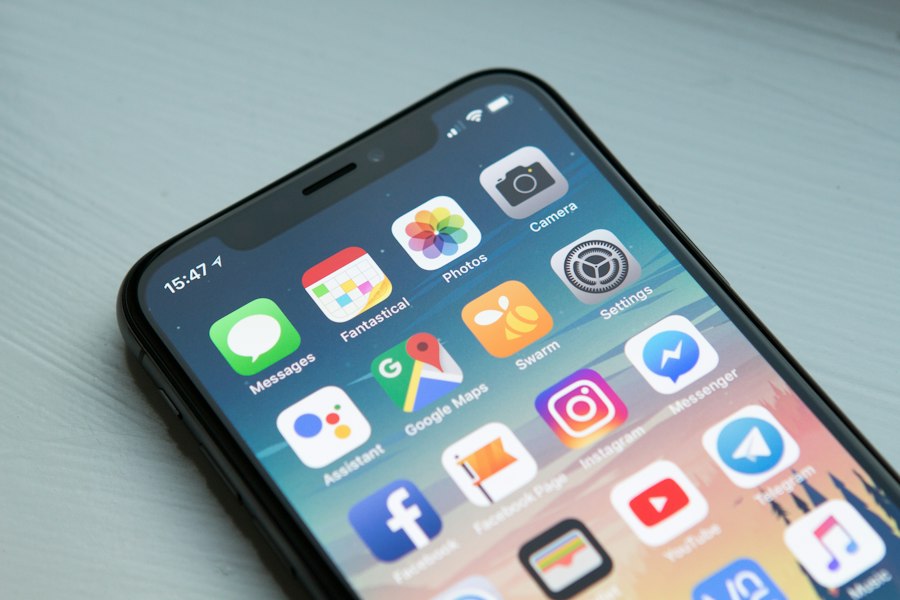
Photo: Unsplash / Mobile AI
Trend 05The Geopolitical AI War: East vs. West
China's DeepSeek changed the game in early 2025 — and its effect is still being felt. Open-weight models from Chinese labs are now powering apps built in Silicon Valley. The gap between Chinese and Western AI frontier releases has shrunk from months to sometimes just days.
The concept of "AI sovereignty" is gaining traction — nations building their own AI infrastructure to avoid depending on a handful of US or Chinese providers. This is reshaping trade policy, cloud contracts, and national security strategies.
Bottom LineWhat Does This Mean for You?
AI in 2026 isn't about having the best model — it's about how fast you adapt, how responsibly you deploy, and how well you connect different tools into a coherent system. Whether you're a student, a developer, or a business owner, the opportunity window is wide open.
Learn prompting. Understand agents. Watch the regulations. And stay curious — because this field moves faster than any textbook.
Comments
Post a Comment